
Engineering Design
Why Choose Engineering Design?
Engineering begins with identifying problems and turning ideas into practical solutions.
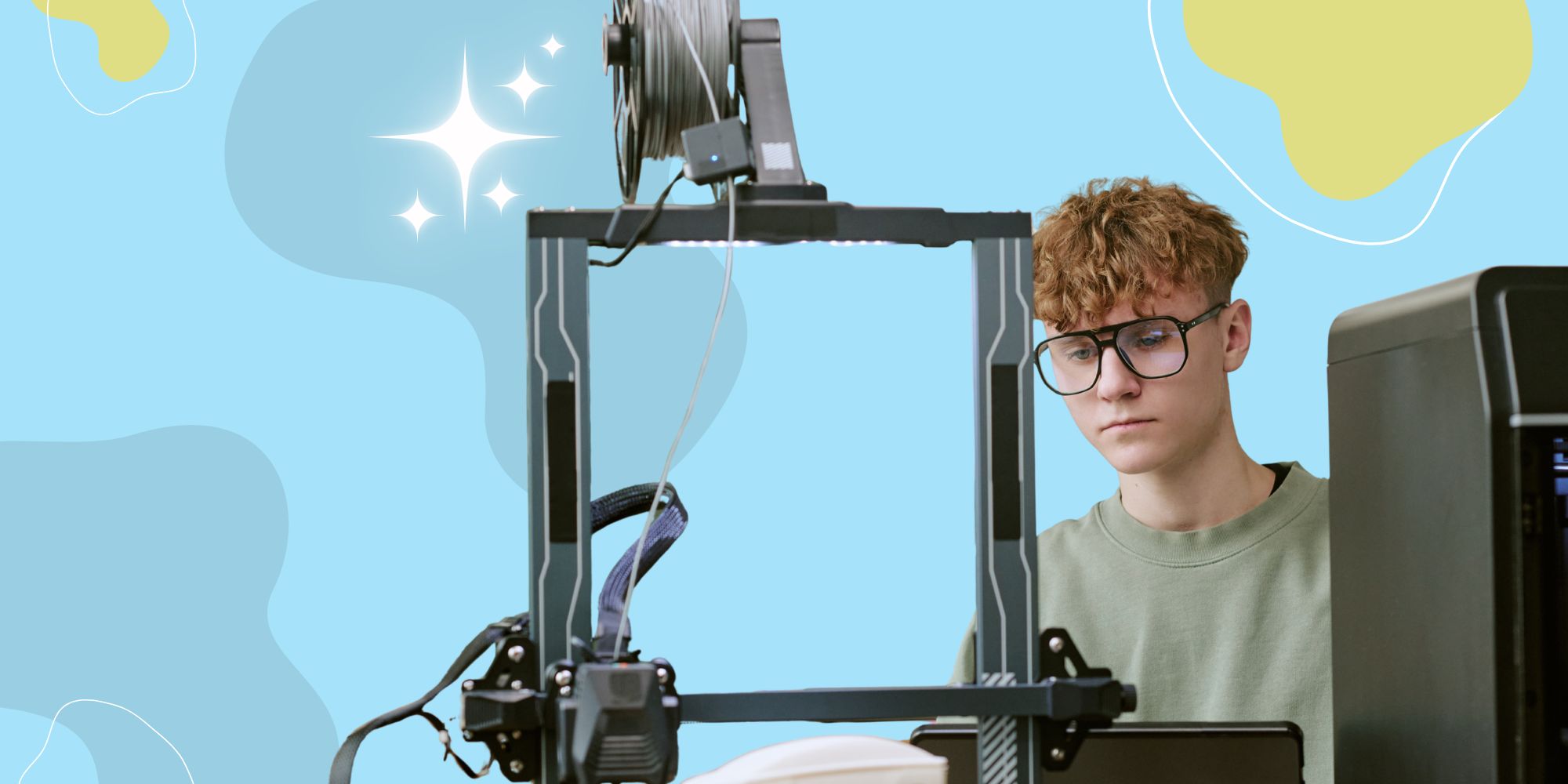
In this hands-on course, students follow the engineering design process to develop ideas, create computer-aided design (CAD) models, build prototypes, test their work, and improve their designs. Students begin designing using software tools, while learning about measurement, structures, mechanisms, materials, tolerances, and 3D printing.
The course culminates in an extended capstone project in which students design, build, revise, and present a product of their own.
Program Format
Crania’s Teknokids Robotics classes are offered in a classroom style format and span the regular school year from September until June. Students attend a 55-min pre-scheduled class per week. Because engineering is an iterative process, students are expected to test their ideas, respond to feedback, and improve their work. Regular attendance and active participation are important because skills and projects build progressively throughout the year.
Program Features
Structured & Hands-On
Students learn engineering through carefully sequenced challenges that develop skills in CAD modelling, measurement, prototyping, and design. Each lesson combines clear instruction with practical work, helping students progress from basic models to increasingly complex creations.
Design, Test & Improve
Engineering rarely ends with the first attempt. Students create prototypes, evaluate how well they work, identify problems, and revise their designs. This iterative process develops patience, precision, resilience, and the ability to use feedback effectively.
Creative Problem-Solving
Students develop original solutions rather than simply following identical step-by-step builds. They consider function, user needs, materials, and appearance as they design. The extended capstone project allows each student to take an idea from initial concept to finished prototype.